



Why DIY Weekend Cleanouts Stall (It’s Not Willpower) | Clomax NEPA
Why You Can Work Hard and Still Feel Stuck (And What Helps)
If you’ve ever tried to “get in shape” by going to the gym once in a while, you already understand the most frustrating part of weekend-only cleanouts:
You can work hard, sweat, and spend your entire Saturday… and still look around and think:
“How does this place still look the same?”
That doesn’t mean you’re lazy. It doesn’t mean you’re doing it wrong.
It means you’re trying to finish a
full-scale, physically demanding project
on an “every now and then” schedule.
And cleanouts—especially estate cleanouts and hoarder-level cleanouts—require a level of
stamina, strength, and repetition
that most people simply don’t build in everyday life.
At Clomax Cleanouts & Junk Removal, we see the same story across
Wilkes-Barre, Scranton, Pittston, Nanticoke, and the Back Mountain:
-
People start with the best intentions
-
They put in weekends (sometimes for weeks and months!)
-
They get exhausted
-
They call us, not because they didn’t try… but because the job is bigger than what weekends can realistically handle

The Gym Comparison (But Here’s the Part People Miss)
Most people compare cleanouts to the gym because it’s about effort and consistency. That’s true—but the deeper truth is even simpler:
A major cleanout uses muscles you don’t normally use.
Think about what a cleanout actually involves:
-
lifting awkward furniture
-
carrying heavy bags down stairs
-
bending, twisting, reaching, pulling
-
loading trucks
-
hauling bulk items out of tight spaces
-
repeating that motion over and over for hours...days....weeks
That’s not “tidying up.” That’s manual labor.
A person who sits at a desk all week can’t safely walk into a gym and lift like someone who trains regularly—and it’s not because they’re weak or unmotivated. It’s because their body isn’t conditioned for that load and repetition yet.
Cleanouts work the same way:
-
You can do a little bit here and there
-
You can make progress on smaller projects
-
But for a large cleanout, the finish line often requires a level of conditioning and stamina that you can’t build quickly—especially if you’re only doing it on weekends
And here’s the hard part: the cleanout needs to be finished before your body ever “adapts.”
So people hit a point where their motivation is still there… but their body is tapped out.
11.7 times
How many moves the average American is estimated to make in a lifetime.
+66%
People say the #1 reason they organize is to find things more easily.
+46%
Biggest organizing challenge: not enough storage space.
+37%
Many people say letting go of items is one of the hardest parts.

Why Weekend Cleanouts Feel Like They’re Going Nowhere
1) The “easy stuff” goes first
The first weekend usually includes:
-
obvious trash
-
quick donations
-
easy-to-reach items
Then what’s left is:
-
heavy furniture
-
packed rooms
-
basements and attics
-
sticky kitchens and bathrooms
-
the “hard rooms” nobody wants to touch
The work gets harder, not easier.
2) Fatigue slows everything down
Once you’re sore and worn out, everything takes longer:
-
walking pace slows
-
lifting becomes risky
-
decision-making gets harder
-
breaks get longer
-
the next weekend becomes harder to face
That’s when the cleanout starts “stalling.”
3) Decision fatigue is real (especially for estates and hoarding)
Keep? Toss? Donate? Family heirloom? Trash? Rehome? Storage?
A big cleanout is thousands of decisions. That mental load is heavy all by itself.
4) Hauling is the bottleneck
Even if you bag and box everything:
-
Where is it all going?
-
How many trips will it take?
-
What can be dumped? recycled? disposed of properly?
-
What needs special handling?
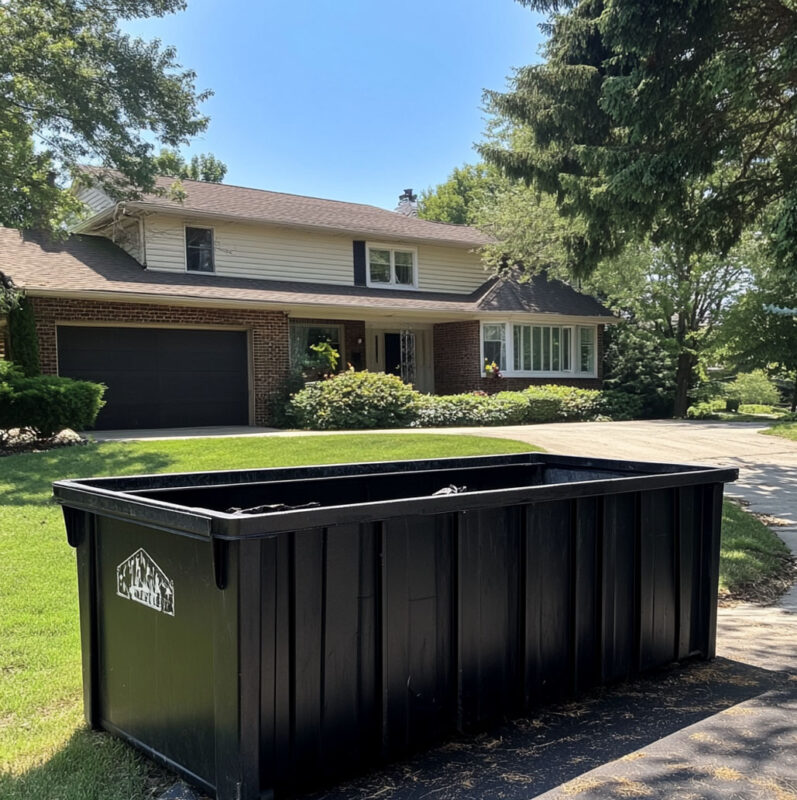
A cleanout can’t finish until the stuff leaves the property—and that’s often the part weekend DIY can’t keep up with.

Two Real Scenarios We See All the Time (And They’re More Common Than You Think)
Scenario #1: The whole family tries
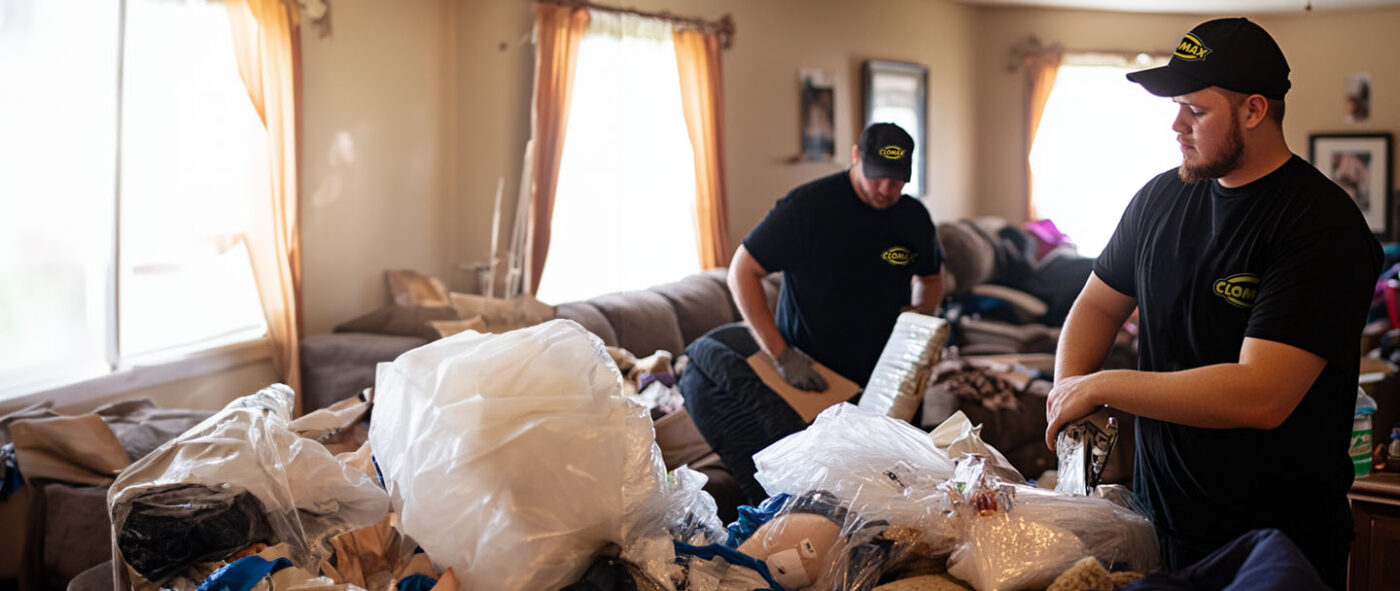
We’ve had situations where a group of family members worked diligently—weekend after weekend—trying to tackle a hoarder-level house. They weren’t “dabbling.” They were trying hard.
But after weeks, the progress still felt small because the volume was huge and the hardest areas were still ahead.
When they called us, we came in with a plan, steady workdays, and the ability to keep the pace moving safely.
We finished in 3 days.
Scenario #2: The “we got a quote… then tried weekends” cleanout
This one happens constantly:
A homeowner gets a quote. The project feels expensive, so someone decides, “I’ll do it myself on weekends.”
A few weeks later, they’re exhausted, every weekend has been consumed, and the home still isn’t close to clear.
They call back—not because they didn’t try, but because they finally see the reality of the workload.
With an 8-person crew, trucks, and a hauling plan, it becomes a 2-day job.
The point isn’t “DIY was foolish.”
The point is: some projects are crew-sized.
When It Makes Sense to Bring in a Crew (No Shame — Just a Smart Pivot)
Consider calling for help when:
-
you’ve put in a couple weekends and the house still looks nearly the same
-
you’re down to the “hard rooms” (basement, attic, bathrooms, packed rooms)
-
you’re sore enough that lifting feels risky
-
the project is causing family stress or tension
-
there are safety concerns (odor, pests, mold, animal waste, sharps, broken glass)
Getting a crew isn’t “giving up.”
It’s choosing a safer, faster finish—before the cleanout steals every weekend you have.
Why Professionals Finish Faster (Without the Hype)
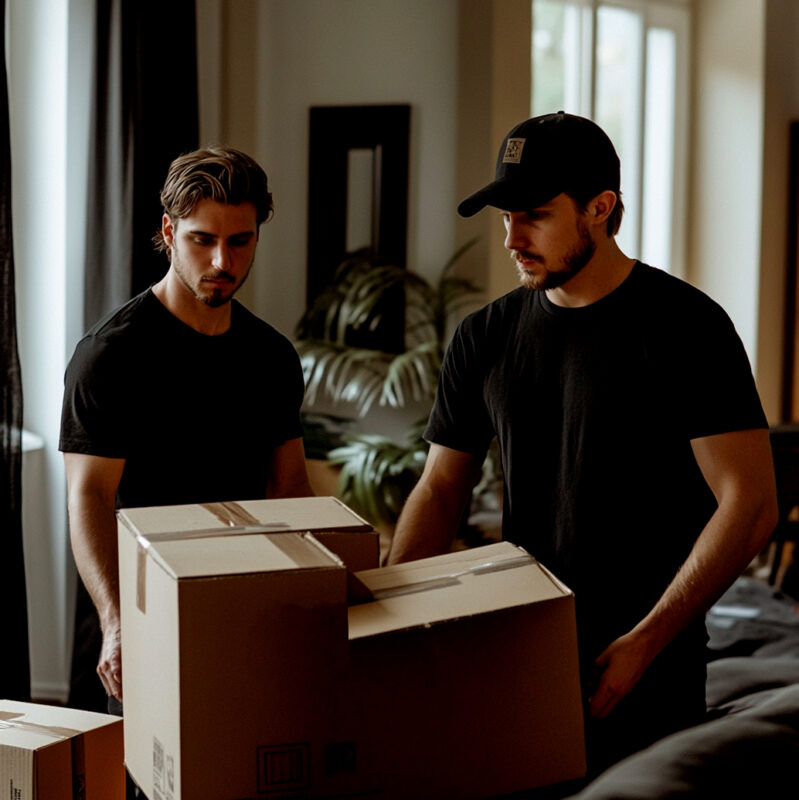
We’re not magicians. We’re prepared—and conditioned.
Professional cleanouts move faster because:
-
we do this work every day (stamina + safe lifting habits)
-
we bring enough hands to keep progress continuous
-
we have trucks and disposal logistics ready
-
we use a sorting flow that prevents backtracking
-
we keep moving until completion (momentum matters)
That’s why the difference can be dramatic:
weeks or months vs. a few focused days.
If You’re Not Ready to Hire Help Yet, Do This First (High Impact, Low Burnout)
If you’re still deciding, these steps help without exhausting you:
-
Pull out important documents and paperwork first
-
Collect valuables and essentials in one bin (jewelry, photos, keepsakes)
-
Create one “DO NOT TOSS” area (one room or a clearly marked corner)
-
Take a few photos of each room (helps with planning and estimates)
-
Don’t deep-clean before bulk removal (it wastes energy)
These steps protect what matters most—and make a professional cleanout smoother if you decide to call later.

Ready to Get Your Weekends Back?
If your cleanout is bigger than expected, you’re not alone—and you don’t have to carry it all yourself.
Clomax Cleanouts & Junk Removal serves:
Wilkes-Barre • Scranton • Pittston • Nanticoke • Back Mountain
(and surrounding Northeastern Pennsylvania areas)
Fast Quote Tip
For the quickest, most accurate estimate, send a few photos of the rooms and tell us your ideal timeline.
No judgment. No pressure. Just help getting to the finish line.


Make new connections
Junk Removal & Move-In/Out Cleaning Services
At Clomax, we believe that building strong relationships with our clients is just as important as delivering top-notch junk removal services. By understanding your unique needs, we strive to provide personalized solutions that not only clear out unwanted items but also make room for new possibilities. Whether it's a one-time service or ongoing cleanouts, we’re here to create connections that matter, ensuring each project is completed with care, efficiency, and a focus on sustainability. Let’s make new connections today and transform your space together.


See the dramatic change as this living room is cleared of all belongings during an estate cleanout. The before-and-after images highlight the complete transformation, turning a cluttered space into a blank slate, ready for new beginnings.


Observe the striking difference in this living room after a thorough estate cleanout. The before image shows a room filled with years of memories, while the after image reveals a fresh, empty space, cleared and prepared for its next chapter.


See the difference in this apartment living room after a sensitive estate cleanout. While some personal items remain, the space has been thoughtfully cleared and reorganized, making it more manageable and comfortable for the resident to continue living in..